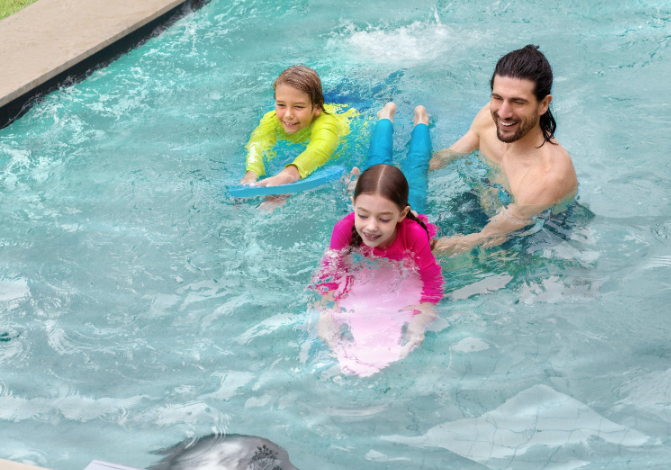
For dedicated fitness enthusiasts, finding a consistent swimming workout can be frustrating. Public pools come with crowded lanes, limited hours, and long commutes. Building a traditional lap pool at home demands enormous space, significant construction, and ongoing maintenance costs that make it impractical for most homeowners. Yet swimming remains one of the most effective full-body exercises available—combining cardiovascular conditioning with muscular endurance while placing virtually zero stress on joints.
Enter the swim jet pool: a compact, powerful system that generates a continuous adjustable current, allowing you to swim endlessly in place within a fraction of the space a conventional pool requires. It brings the lap pool experience directly into your home, garage, or backyard. In this article, we’ll explore exactly how swim jet technology works, what makes it uniquely suited for serious fitness training, how to navigate the home installation process, and why it represents a smarter long-term investment than traditional pools or standard cardio equipment for anyone committed to peak physical performance.
Transform Your Fitness Routine: The Power of a Swim Jet Pool
A swim jet pool is a self-contained aquatic fitness system that uses powerful jets to generate a continuous, adjustable current of water against which you swim in place. Unlike a standard hot tub designed for passive relaxation or a traditional pool built primarily for leisure, a swim jet pool is engineered specifically for athletic performance. It transforms any suitable space into a dedicated training environment where serious swimmers and fitness enthusiasts can push their limits daily.
The primary appeal for fitness-focused individuals is clear: you gain access to a low-impact, high-intensity full-body workout without leaving home. Swimming engages every major muscle group simultaneously—shoulders, core, legs, and back work in concert against water resistance—while the buoyancy eliminates the joint stress associated with running or weight training. With a swim jet pool, this workout becomes available year-round regardless of weather, season, or public pool schedules. The adjustable current intensity means you can shift seamlessly between gentle recovery sessions, sustained endurance swims, and explosive interval training simply by changing the jet speed. You control the difficulty, the duration, and the pace entirely on your terms. The compact footprint—typically requiring only a fraction of the space needed for a conventional lap pool—means it fits into backyards, garages, basements, or covered patios where a full-size pool would be impossible. Privacy eliminates distractions, letting you focus entirely on form, breathing, and performance progression without sharing lanes or working around strangers.
See also: Philadelphiabased 35m Reliance 107msinghtechcrunch
The Heart of the System: Understanding Swim Jet Technology
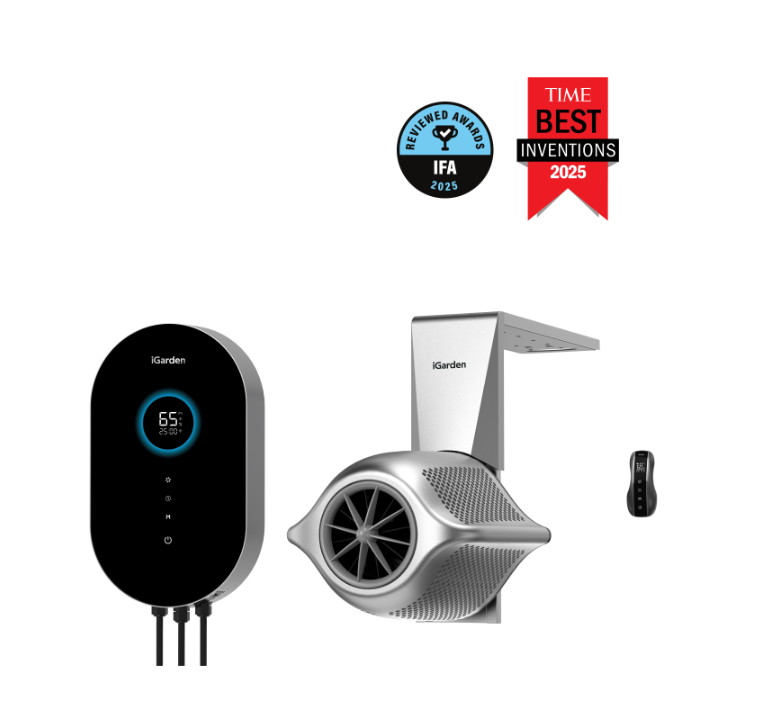
At its core, a swim jet pool relies on a high-performance pump system that draws water in, pressurizes it, and expels it through precisely engineered nozzles to create a continuous, powerful current. This isn’t simply water being pushed around—it’s a carefully calibrated flow designed to simulate the experience of swimming through open water. The pump operates much like a jet engine in principle: intake, compression, and directed thrust. Variable speed controllers allow users to dial the current from a gentle walking pace up to competitive sprint intensity, all with the turn of a dial or tap of a digital interface. Ergonomically designed nozzles shape the water stream into a wide, laminar flow rather than a narrow blast, distributing resistance evenly across the swimmer’s body. This creates a natural swimming sensation rather than fighting against a chaotic wall of turbulence. Energy efficiency is another hallmark of modern systems—advanced motor designs and intelligent flow management mean these units deliver powerful currents without excessive electricity consumption. The iGarden Swim Jet series exemplifies premium engineering in this space, incorporating proprietary jet-engine design principles that produce an exceptionally smooth, broad current. Their systems feature precision-machined components, vibration-dampening mounts for quieter operation, and intelligent speed ramping that transitions between intensity levels without abrupt surges.
Why Jet-Engine Design Matters for Effective Swimming Exercise
The quality of the current determines whether your swim feels like training in open water or battling a fire hose. A properly engineered jet-engine design produces a wide, laminar flow that envelops your entire body evenly—shoulders to ankles—so you can maintain natural stroke mechanics without compensating for uneven resistance. Lesser systems generate narrow, turbulent streams that push you off-center, disrupt your breathing rhythm, and force awkward body positions that undermine technique and increase injury risk. For fitness enthusiasts who depend on consistent, progressive training stimulus, this distinction is critical. A smooth, adjustable current allows you to focus on stroke efficiency, build genuine endurance, and track performance improvements over time. When the water behaves predictably, every session becomes measurable and productive rather than a frustrating fight against chaotic resistance.
Your Step-by-Step Guide to Home Installation
Installing a swim jet pool at home is more straightforward than building a traditional pool, but it still requires careful planning to ensure optimal performance and longevity. The process begins with site selection—deciding whether your unit will live indoors (basement, garage, dedicated fitness room) or outdoors (patio, deck, backyard). Indoor installations offer year-round climate control and privacy but demand adequate ventilation to manage humidity and sufficient structural support for the combined weight of water and the unit itself. Outdoor placements provide more flexibility in size and access but may require weatherproofing, fencing for safety compliance, and consideration of seasonal temperature swings.
Once you’ve identified your location, utility requirements come into focus. Most swim jet pools require a dedicated electrical circuit—typically a high-amperage connection that must be installed by a licensed electrician to meet local codes. Water supply and drainage are equally important; you’ll need a reliable fill source and a drainage plan that directs discharged water appropriately, whether to a municipal sewer connection or a designated runoff area. Delivery logistics deserve attention early in the process. These units are substantial, so confirm that pathways from the street to your installation site can accommodate the dimensions and weight—measure gates, doorways, and any turns along the route.
Professional assembly is strongly recommended rather than attempting a DIY approach. Certified installers understand the precise leveling requirements, plumbing connections, and electrical configurations that ensure safe, efficient operation from day one. For systems like the iGarden Swim Jet series, manufacturer-trained technicians can calibrate jet positioning, verify pump performance, and walk you through control systems so your first swim session meets expectations. Scheduling a professional consultation before purchasing allows you to identify potential site challenges, get accurate cost estimates for preparatory work, and establish a realistic timeline from order to first workout.
Pre-Installation Checklist for Fitness Enthusiasts
Before committing to a delivery date, work through these essential preparation steps to ensure seamless integration into your home gym setup. First, measure your available space carefully—account not only for the pool’s footprint but also for access clearance on all sides for maintenance, entry, and exit. Second, check local building permits and zoning regulations; many municipalities require permits for permanent outdoor structures or significant electrical upgrades. Third, prepare a solid, perfectly level base—a reinforced concrete pad is ideal for both indoor and outdoor installations, as uneven surfaces create structural stress and operational issues. Fourth, confirm your electrical panel has capacity for a dedicated high-amperage circuit and hire a licensed electrician to install it before the unit arrives. Fifth, plan your drainage strategy so water changes and splashover don’t damage surrounding structures or landscaping. Finally, consider whether you want an enclosure or cover for outdoor units to extend usability through colder months and reduce debris maintenance. Treating this checklist as your project foundation prevents costly delays and ensures your swim jet pool is ready for training the moment installation is complete.
Swim Jet Pool vs. Traditional Pools and Other Exercise Systems
When weighing your options for a dedicated aquatic workout space, the swim jet pool consistently outperforms traditional lap pools across nearly every practical metric. A conventional lap pool demands a minimum of 40 to 75 feet of linear space, requires extensive excavation or construction, and involves ongoing costs for chemical balancing, heating large water volumes, and seasonal maintenance. A swim jet pool delivers the same continuous swimming experience in roughly one-tenth the footprint, with dramatically lower water volume to heat and treat. Installation timelines shrink from months of construction to days of setup, and because the system is self-contained, you avoid the permitting complexity that accompanies major in-ground builds. Year-round usability is another decisive advantage—most swim jet pools are designed for indoor placement or feature integrated heating that keeps water at training temperature regardless of outside conditions, eliminating the seasonal shutdown that sidelines outdoor lap pools for months.
Compared to land-based cardio equipment like treadmills, rowing machines, or stationary bikes, the swim jet pool occupies a fundamentally different category. Those machines isolate specific muscle groups and subject joints to repetitive impact or constrained movement patterns. Swimming against a current recruits your entire body simultaneously—arms, shoulders, core, hips, and legs all engage through a full range of motion—while water buoyancy eliminates the compressive forces that cause overuse injuries in runners and cyclists. For aging athletes, individuals recovering from joint issues, or anyone seeking sustainable high-intensity training that won’t accumulate damage over years of use, the zero-impact nature of aquatic resistance is unmatched. A swim jet pool isn’t merely another piece of home gym equipment; it’s a complete training environment that replaces multiple machines while protecting your body for decades of continued performance.
Maximizing Your Workout: Swim Jet Exercises and Training Plans
Owning a swim jet pool without a structured training approach is like having a fully equipped gym and only using one machine. The adjustable current opens up a diverse range of workout possibilities that extend far beyond monotonous laps. By tailoring your sessions to specific fitness goals, you transform each swim into purposeful, progressive training that delivers measurable results week after week.
For endurance building, set the current to a moderate, sustainable intensity and swim continuously for 20 to 45 minutes. Maintain a steady stroke rate and focus on rhythmic breathing—this mirrors the aerobic base training that distance swimmers and triathletes rely on to develop cardiovascular efficiency. As your fitness improves, gradually increase either the duration or the current speed to maintain progressive overload without changing your fundamental technique.
High-intensity interval training transforms your swim jet pool into a sprint machine. Alternate between 30-second bursts at maximum current intensity and 60-second recovery periods at a gentle flow. Repeat for 8 to 12 rounds. This protocol elevates your heart rate rapidly, torches calories, and builds anaerobic capacity in a fraction of the time steady-state cardio requires. The adjustable jet makes transitions instant—no need to stop, turn, or reset between efforts.
Strength-focused sessions leverage water resistance in targeted ways. Isolate your legs with powerful flutter kicks or breaststroke kicks while holding the pool’s edge, forcing your lower body to drive against the current. For upper body development, use pull buoys to eliminate leg assistance and make your arms, shoulders, and lats do all the propulsive work. Core engagement happens naturally when you swim against resistance, but you can intensify it by incorporating treading drills or sculling exercises at higher jet speeds.
Recovery days deserve equal planning. Dial the current to its lowest setting and move through gentle backstroke, easy breaststroke, or simple walking against the flow. The hydrostatic pressure of water promotes circulation and reduces inflammation in fatigued muscles, accelerating recovery between hard training days. This active recovery approach keeps you in the pool consistently without accumulating fatigue, ensuring your swim jet pool serves you through every phase of your training cycle—from peak performance blocks to deliberate rest periods.
A Smarter Investment in Lifelong Aquatic Fitness
For dedicated fitness enthusiasts who refuse to compromise on training quality, the swim jet pool represents a genuine paradigm shift in home exercise. It solves the fundamental problem that has long frustrated serious swimmers and athletes: how to access consistent, effective, full-body aquatic training without depending on public facilities or sacrificing half your property to a traditional lap pool. The combination of compact design, adjustable resistance, and year-round availability means your training never stalls due to weather, scheduling conflicts, or overcrowded lanes.
The technology driving these systems matters enormously. Quality jet-engine design produces the smooth, wide, laminar current that transforms a small body of water into a legitimate training environment. Paired with proper home installation guided by professional consultation, the right swim jet pool integrates seamlessly into your existing fitness infrastructure and daily routine. This isn’t an impulse purchase or a luxury novelty; it’s a long-term investment in sustainable physical performance. Every session protects your joints while challenging your cardiovascular system and muscular endurance simultaneously. For anyone committed to maintaining peak fitness across years and decades, a swim jet pool delivers returns that compound with every workout—keeping you stronger, healthier, and more consistent than any single piece of land-based equipment ever could.