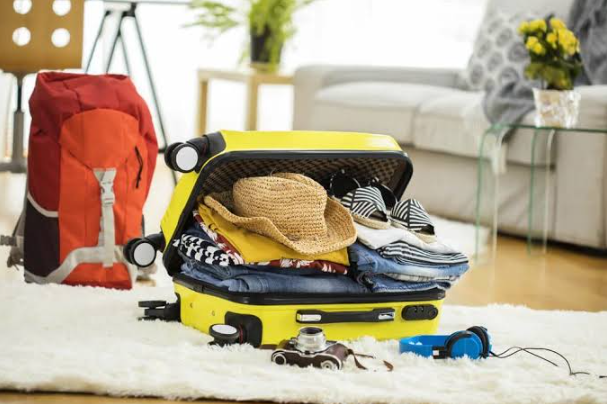
Packing for a family hotel break often looks straightforward until the suitcase is open on the bed and everyone starts remembering things at once. Children want toys, parents are trying to remember chargers and swimming things, somebody suddenly needs a particular pair of shoes, and the weather forecast appears to be promising four seasons in the space of three days. It is surprisingly easy to take far too much while still forgetting the one item that would have made the stay easier.
The best approach is not to pack for every possible scenario. It is to think about what will actually make the journey, the hotel stay and the activities around it run more smoothly. A well-packed family bag should remove small sources of stress rather than create new ones.
Start with the things that are difficult to replace
Clothes can usually be bought if something goes badly wrong. A favourite comforter, prescription medicine or specialist piece of equipment is much harder to replace at short notice.
That is why the first things into the case should be the essentials that genuinely matter. Medication, glasses, contact lenses, chargers for important devices, travel documents and anything a child absolutely relies on should be packed before the less important items begin competing for space.
For younger children, familiar bedtime items can make a noticeable difference. A favourite soft toy, blanket or night light can make an unfamiliar hotel room feel less strange. Parents sometimes avoid packing these things because they seem unnecessary for a short trip, but bedtime is often when children notice most that they are away from home.
It is also worth thinking about what normally happens immediately after arrival. If swimming is likely to be the first activity, putting swimwear at the bottom of a heavily packed suitcase is not ideal. Packing in the order items are likely to be needed can save a surprising amount of frustration.
See also: About Datrihelminen Life
Pack clothes around activities rather than days
One of the reasons families overpack is that they think in terms of complete outfits for every day. That often results in several tops, trousers and jumpers returning home untouched.
A more practical method is to think about what the family will actually be doing.
If the break is likely to include swimming, walking, indoor activities and an evening meal, pack around those situations. Comfortable clothes that can be mixed and matched are far more useful than carefully planned outfits that only work in one combination.
Layers are particularly useful on UK breaks because temperatures can change significantly between morning and evening. A light waterproof jacket can also be more valuable than an extra jumper if outdoor activities are planned.
Children generally need more spare clothing than adults, but even then it is worth being realistic. Unless the hotel is extremely remote, running out of socks is rarely a holiday-ending emergency.
Create one bag for the journey
The main suitcase should ideally stay closed until arrival. Everything needed on the journey belongs in a smaller, easily accessible bag.
Useful items might include:
drinks and simple snacks;
wipes and tissues;
a change of clothes for younger children;
headphones;
a book or activity pad;
a small pack of cards;
charging cables;
any medication needed during the day.
Keeping these things together avoids motorway-service-station archaeology, where somebody ends up unpacking half the boot because a child wants something buried inside the largest suitcase.
Snacks deserve slightly more planning than they usually receive. Foods that crumble, melt or leave sticky fingers everywhere can make a journey unnecessarily messy. Simple snacks that are easy to open and reseal tend to work much better.
Keep entertainment compact
There is little need to recreate the playroom inside a hotel bedroom. Children rarely use everything that gets packed anyway, particularly when the hotel or surrounding area has plenty to offer.
Choose a few small things that can be used repeatedly. Cards, colouring materials, puzzle books and a notebook are especially useful because they can fill short gaps without taking up much room.
A notebook can become a holiday diary, drawing pad, score sheet or place to write quizzes. Cards can provide dozens of games. Even a simple ball can be useful if there is outdoor space available.
Larger toys are generally best left at home unless a child is particularly attached to one. The more equipment that travels with the family, the more things there are to carry between the car and the room and the greater the chance of something being left behind.
This is also where choosing the right accommodation can reduce the amount families feel they need to pack. At a destination such as Manor & Ashbury Resorts, where activities form a significant part of the break, parents may find that children need far less additional entertainment than they would in accommodation where there is little to do on site.
The overlooked hotel-room items
Some of the most useful things to pack are not particularly exciting. They simply make living temporarily in one room easier.
A reusable water bottle for each family member can be very handy, particularly if the holiday involves plenty of activity. A small laundry bag separates worn clothing from everything else and makes unpacking at home much easier.
A few resealable bags can also solve all sorts of minor problems. They can hold wet swimwear, half-eaten snacks, muddy items or tiny things that would otherwise disappear into the bottom of a suitcase.
Parents travelling with younger children might also want a small plug-in night light. Hotel rooms can be very dark once the curtains are closed, and children waking somewhere unfamiliar may appreciate being able to see their surroundings without the main lights being switched on.
An extension lead can occasionally be useful too, particularly when several devices need charging and hotel plug sockets are not conveniently positioned. It is a small item that can prevent an evening of rearranging bedside furniture in search of electricity.
Think about swimming before you leave
Swimming pools can create their own collection of easily forgotten items. Swimwear is obvious, but goggles, swimming nappies where needed, flip-flops and something suitable to wear between the room and pool can make things much easier.
A separate swimming bag is useful because everything can stay together rather than wet items being returned straight to the suitcase.
It is also worth checking what the hotel provides. Towels, toiletries and hairdryers can take up substantial suitcase space if they are already available in the room. Five minutes checking facilities before packing can free up enough room to make a noticeable difference.
The same principle applies to equipment for organised activities. If everything is supplied, there is little reason to bring specialist items from home unless guests have been specifically advised to do so.
Do not forget the evening
Families often spend plenty of time planning daytime clothing and almost none thinking about what happens after dinner.
Comfortable clothes for the evening are usually more useful than overly formal outfits on a relaxed family break. Children may want something they can wear while playing games, watching entertainment or simply winding down before bed.
Slippers or easy indoor shoes can be surprisingly useful, particularly if children are moving around the hotel. Pyjamas should also be easy to locate rather than hidden beneath everything else.
Parents might appreciate packing one or two small things that make their own evening more enjoyable too. A book, headphones or something else that provides a little downtime can be useful once the children have settled.
Leave some empty space
Perhaps the most underrated packing tip is simply not to fill every available centimetre of luggage.
Things rarely go back into a suitcase as neatly as they came out. Damp clothing takes more room, children acquire souvenirs and somebody invariably ends up carrying an extra jumper that was worn during the outward journey.
Leaving a little empty space makes packing for the return journey far less frustrating. It also discourages the tendency to keep adding unnecessary items simply because there appears to be room for them.
If something is being packed purely because it “might come in handy”, it is worth asking how likely that really is. A family hotel break should not require military-level preparation.
The aim of good packing is not to anticipate every possible inconvenience. It is to make the common parts of the trip easier: travelling, sleeping, changing clothes, keeping children occupied and taking part in whatever activities are planned.
A suitcase that contains fewer carefully chosen items is usually more useful than one packed to bursting point. When the essentials are easy to find and everybody has what they genuinely need, the holiday can begin with far less fuss — and that is a much better use of luggage space than taking half the house along for the ride.