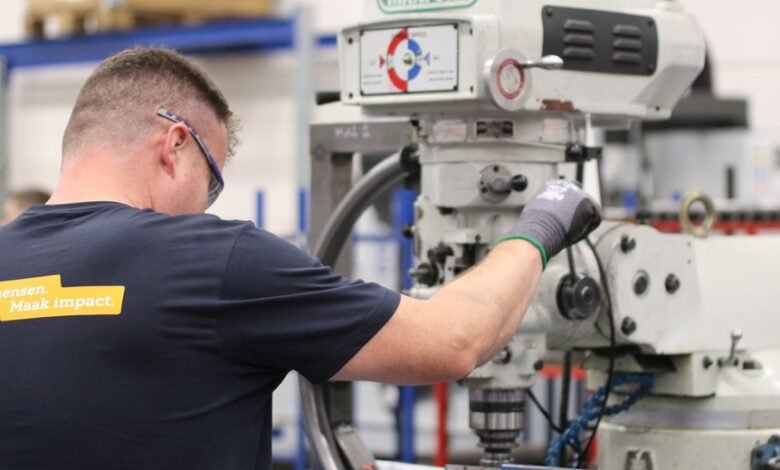
Preventive maintenance aligns maintenance tasks with production goals, delivering measurable gains in uptime and throughput. Regular inspections, scheduled interventions, and disciplined lubrication reduce unexpected failures and cycle-time variability. Targeted parts planning and condition monitoring extend asset life while lowering spare parts waste. Predictive insights enable efficient maintenance windows that fit production plans, supporting quality, safety, and compliance. The result is a more reliable operation, yet questions remain about implementing data-driven schedules and sustaining discipline. This tension anchors the discussion ahead.
What Preventive Maintenance Actually Delivers for Efficiency
Preventive maintenance delivers measurable gains in equipment availability and reliability by reducing unexpected failures and maintenance-induced downtime. In practice, scheduled checks identify wear, calibrations, and lubrication needs before failures occur, lowering emergency repairs and trip losses. While metrics vary, data shows improved cycle times and consistent throughput. unrelated topic, off topic idea, however, clarity remains essential for freedom-oriented operations.
Minimize Downtime With Proactive Inspection and Scheduling
Proactive inspection structures early issue detection, enabling targeted maintenance before failures occur and reducing unscheduled downtime.
Scheduled maintenance benefits accrue through predictable workloads, optimized resource use, and data-driven adjustment of intervals based on usage and condition trends.
Together, proactive inspection and disciplined scheduling support measurable uptime gains and more stable production throughput.
Proactive Inspection Impact
A proactive inspection program reduces unplanned downtime by identifying wear, misalignment, and calibration drift before failures occur, enabling targeted maintenance windows rather than emergency repairs. The approach relies on systematic data collection, trend analysis, and condition monitoring to forecast degradation, schedule interventions, and preserve throughput. Quantified metrics track improvement: MTBF, mean time to detect, and maintenance efficiency. proactive inspection supports controlled, freedom-fostering operations.
Scheduled Maintenance Benefits
Scheduled maintenance delivers measurable downtime reductions by aligning planned interventions with validated inspection findings and production schedules.
The approach emphasizes maintenance scheduling as a disciplined workflow, reducing emergency repairs and unplanned scrams.
Predictive analytics identify imminent failures, enabling proactive inspections and targeted interventions.
This data-driven discipline enhances reliability, frees capacity, and sustains throughput, while operators retain strategic autonomy to optimize plant performance.
Extend Equipment Life Through Targeted Lubrication and Parts Planning
A targeted lubrication strategy aligns lubricant type, interval, and application method with each asset’s failure modes, reducing wear and unplanned downtime. When combined with disciplined parts planning, critical spares and reorder points are calibrated to maintenance windows, shrinking mean time-to-repair and inventory carrying costs. The discussion will examine how lubrication data and parts availability collectively influence equipment life, reliability metrics, and maintenance cost per hour.
Targeted Lubrication Strategy
Targeted lubrication strategy focuses on aligning lubricant type, quantity, and application interval with the specific wear patterns and duty cycles of critical equipment.
The approach prioritizes data-driven selection of lubrication regimes, measuring performance, and iterating schedules.
It emphasizes targeted lubrication and oil viscosity choices that reduce friction, extend component life, and support a culture that values practical, freedom-minded maintenance efficiency.
Parts Planning Impact
Is the integration of parts planning with targeted lubrication a decisive driver of equipment longevity?
Parts planning aligns inventories with failure modes, reducing downtime and spare part lead times.
Data-driven asset forecasting informs maintenance cycles, optimizing lubrication events and parts replacements.
This approach lowers total cost of ownership, improves mean time between failures, and sustains production flexibility for freedom-loving operations.
Improve Throughput by Monitoring Condition and Predicting Failures
Condition-based monitoring and predictive failure analysis directly support throughput optimization by identifying wear, degradation, and anomalies before they impact production speed.
The approach relies on data-driven thresholds, real-time sensing, and trend analytics to mitigate abrupt stoppages.
Predictive monitoring enables proactive maintenance planning, while condition based alerts surface actionable events, enabling operators to optimize schedules without sacrificing throughput or flexibility.
Boost Quality and Consistency With Routine Calibration and Standards
Routine calibration and adherence to established standards are essential to achieving consistent product quality. Regular calibration activities quantify instrument drift and refine measurement uncertainty, directly supporting process control. Documentation of calibration standards enables traceability, while routine consistency across shifts reduces variability and waste. Collectively, disciplined calibration routines provide actionable data, empowering engineers to detect deviations early and sustain long-term performance gains.
Enhance Safety and Compliance Through Regular Checks
Regular checks are essential to maintaining a safe and compliant manufacturing environment, as they provide timely verification of equipment integrity, process controls, and regulatory conformance.
The approach emphasizes documented routines, objective metrics, and reproducible outcomes.
Results guide corrective actions, safety drills readiness, and audit preparedness, ensuring continuous adherence while enabling informed risk management and disciplined operational freedom across teams.
Build a Lean Spare Parts and Resource Strategy for Reliability
A lean spare parts and resource strategy for reliability focuses on aligning inventory with real-use demands, lead times, and failure modes to minimize downtime and capital at risk. The approach analyzes utilization data, part criticality, and supplier performance to codify a reliability strategy.
It emphasizes standardization, strategic stocking, and continuous review to reduce obsolescence and support lean maintenance operations. lean spareparts.
Frequently Asked Questions
How Often Should PM Tasks Be Reviewed for Evolving Equipment?
Review cadence should be quarterly for evolving equipment, with adjustments as data indicates accelerated aging. The practice tracks failure trends, wear rates, and MTBF shifts, ensuring proactive maintenance decisions accommodate equipment aging while preserving operational freedom and reliability.
What Metrics Best Indicate PM ROI Beyond Uptime?
Escalating quietly, the metrics revealing PM ROI beyond uptime are maintenance costs per unit, mean time between failures, and total downtime reduction, complemented by reliability metrics that track asset health forecasts and cost avoidance, guiding free-minded decision-makers pragmatically.
How to Prioritize PM Tasks Under Budget Constraints?
A prioritization framework guides decisions when funds are tight, aligning budget with asset criticality and risk based scheduling; enterprises optimize maintenance backlog by scoring risk, impact, and cost, ensuring budget alignment without compromising essential reliability and freedom to innovate.
Can PM Impact Product Traceability and Audit Trails?
An allegory of a lighthouse keeper reveals PM can close traceability gaps and audit trail gaps; diligent sensors illuminate data flows, enabling accurate product history. Pragmatic, data-driven practices reduce gaps while supporting a freedom-seeking, accountable operation.
How to Train Operators to Support PM Effectiveness?
Operator training is essential for PM effectiveness, ensuring consistent adherence to protocols. Task Standardization reduces variability, enabling measurable improvements. Operators should receive data-driven coaching, robust job aids, and ongoing performance metrics that support autonomous, freedom-oriented problem solving.
Conclusion
Preventive maintenance compounds manufacturing efficiency by aligning checks, lubrication, and parts planning with real production needs. Data-driven scheduling reduces unplanned downtime, while condition monitoring forecasts failures and targets interventions. Routine calibration and standard adherence boost quality and safety, keeping regulators satisfied. A lean spare-parts strategy minimizes inventory without sacrificing readiness. In short, PM acts as a well-tuned engine; neglecting it invites a costly breakdown in performance and reliability.